About
The Story Founding Edition Governance Host Cities Kite School Contact
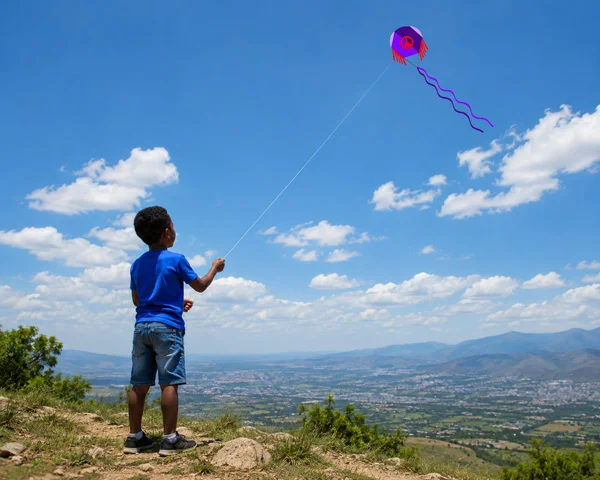
Drop a photo — a Haitian hillside full of kites in the late afternoon
About

A childhood game, given a bracket.

Kite Wars comes out of Haiti — out of afternoons on a hill with paper, palm rib, thread, and a razor tied into the tail. This is what the game is, why it is worth making into a sport, and how we intend to run it without softening it.

The game as it is played

Every afternoon at four, on any hill with wind

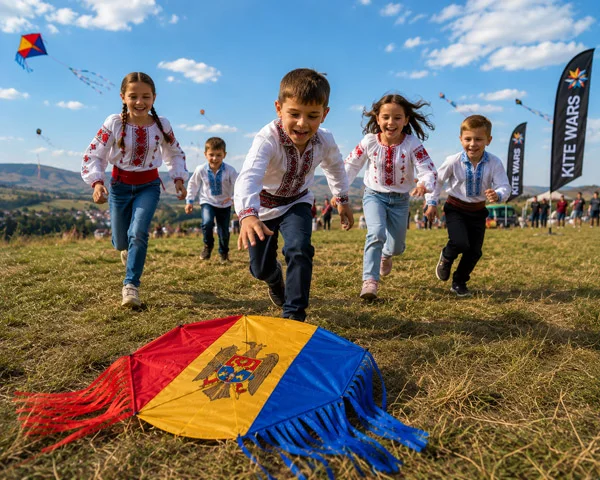
In Haiti a kite is not a toy, it is a challenge. Children build them from paper, palm rib and thread, and the moment two are in the same sky the game changes: you climb, you cross, you saw. The blade tied into the tail does the work. A line parts, a kite goes limp and drifts, and the field empties as everyone chases the place it will land — because whoever reaches it first owns it.

Adults played too. Neighbours, uncles, the man who sold ice. There was no bracket and no purse, only reputation, and reputation was enough to fill an afternoon for a whole summer. Nobody wrote the rules down, and nobody needed to: you knew a fair cut when you saw one, and you knew who had won by who was still flying.

Kite Wars takes that unwritten sport and gives it what it never had — measured lanes, trained marshals, a scoreboard, and prize money worth traveling for. What we do not do is take the blade out. Remove the blade and you have a kite festival, and the world already has plenty of those.

"We tied a blade to the tail and went hunting. When a kite came down, the whole street ran for it."
Founder, Kite Wars · Timl
04
What we are building

Four commitments, and we will be held to them

01
The blade stays
Sealed, marshal-fitted, collected at the line. Take the blade out and it stops being the game we grew up with.
02
Run like a sport
Measured lanes, certified officials, a written rulebook open to federation comment, and cuts confirmed by two marshals.
03
Haitian at the root
Haitian-styled kites, Kreyòl on the field and in the briefings, and Haitian makers in the supply chain as it grows.
04
Open to beginners
Coached practice days, youth lanes from age eight, and a purse big enough that a first-timer's summer is worth the trip.
The organizer

Created and organized by Timl

Kite Wars is the inaugural international sporting championship created by Timl — the next-generation platform for professional events, communities, and competition.

From registration and rankings to livestreams and event operations, Timl provides the technology and organization behind the championship. Kite Wars is the first event built on that vision.

Visit Timl Contact organizing committee
Where it stands today
Format and rulebook Draft v0.4
Public in draft, open to federation comment.
Host country In negotiation
Ministry-level conversations; the format must be permitted in a closed arena.
Association partners Approaching
Sanctioning, certified judges and member qualifiers.
Registration Open, refundable
Fully refundable until the host city is announced.
Broadcast Planned
Six languages on Timl, lane cameras and a live bracket.
The road to the first bell

From a negotiation to a bracket

Now
Registration opens, refundable
Enter early to hold a bracket place. Everything is refundable until the city is named.
Q4 2026
Host country and city announced
A signed host agreement releases the venue, the dates, and the travel packages.
Jan 2027
Entries confirm
Registration becomes final, kite production runs, and custom faces go to print.
Spring 2027
Open qualifiers
Partner clubs and federations run qualifiers that seed the championship draw.
Summer 2027
Championship week
Two practice days, tech inspection, group heats across thirty-two lanes, then finals.
Finals day
The Razor Cup
Individual and team finals, the recovery chase, and the cup goes to a country.

Bring a kite. Or buy one built for this.

Entry is $95 with a Haitian-styled kite included, or $130 with your own single-line kite. Teams of three enter for $200.

Register Read the rules